
Serendip is an independent site partnering with faculty at multiple colleges and universities around the world. Happy exploring!
Simpler Student Handouts Available
For the activities listed below, the simpler Student Handouts will be suitable for most middle school students, for many English language learners, and for some high school students who may not be reading at grade level. For most of these activities, more complete Student Handouts are also available, and these will be suitable for most high school or college students.
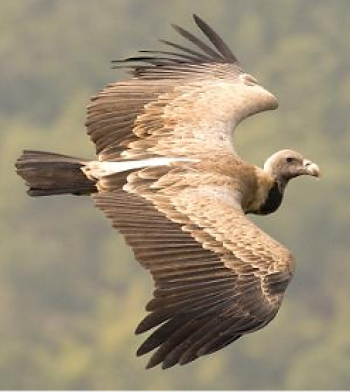
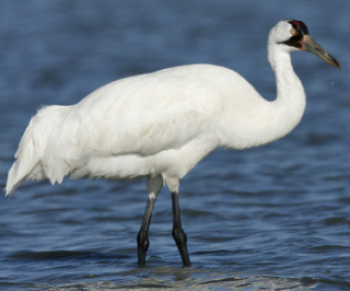 In this analysis and discussion activity, students develop their understanding of the effects of environmental factors on population growth by analyzing the recovery of endangered species and how growth of bacterial populations can cause food poisoning.


Download Minds-On Activities for Teaching Biology
Introduction and Activities Listing

Intro and Biological Molecules
- Characteristics of Life
- Levels of Organization in Biology (NGSS)
- Introduction to Proteins and DNA (NGSS)
- Enzymes Help Us Digest Food (NGSS; hands-on)
- A Scientific Investigation – What types of food contain starch and protein? (NGSS; hands-on)
- Coronaviruses – Introduction (NGSS)
- Who Took Jerell’s iPod? -- An Organic Compound Mystery (hands-on)
- Is Yeast Alive? (hands-on)
- Macromolecules Jeopardy

Cell Structure and Function
- Cell Structure and Function – Major Concepts and Learning Activities
- Cells – How do they carry out the activities of life? (NGSS)
- Why do some plants grow in odd shapes? (NGSS)
- Introduction to Osmosis (NGSS; hands-on)
- Cell Membrane Structure and Function (NGSS; hands-on)
- Cell Vocabulary Review Game

Cellular Respiration and Photosynthesis
- Cellular Respiration and Photosynthesis - Key Concepts and Activities
- How do organisms use energy? (NGSS)
- Using Models to Understand Cellular Respiration (NGSS)
- Using Models to Understand Photosynthesis (NGSS)
- Photosynthesis, Cellular Respiration and Plant Growth (NGSS; hands-on)
- Food, Physical Activity, and Body Weight (NGSS)
- How do muscles get the energy they need for athletic activity? (NGSS)
- Alcoholic Fermentation in Yeast – A Bioengineering Design Challenge (NGSS; hands-on)
- Plant Growth Puzzle (NGSS)
- Where does a tree’s mass come from? (NGSS)
- Photosynthesis Investigation (NGSS; hands-on)

Cell Division
- Mitosis and the Cell Cycle (NGSS; hands-on)
- Mitosis and the Cell Cycle (NGSS)
- Meiosis and Fertilization – Understanding How Genes Are Inherited (NGSS; hands-on)
- Understanding How Genes are Inherited via Meiosis and Fertilization (NGSS)
- Meiosis and Fertilization Produce Genetic Diversity (NGSS)
- Comparing Mitosis and Meiosis
- What causes melanoma and other types of cancer? (NGSS)
- Mistakes in Meiosis – Down Syndrome or Embryo Death (NGSS)
- Mitosis, Meiosis and Fertilization Vocabulary Review Game

Genetics
- Genetics Concepts and Activities (NGSS)
- Genetics (NGSS; hands-on)
- Genetics Intro – Family Members (NGSS)
- Genetics Sickle Cell Anemia and Trait (NGSS)
- Genetics Probability – Sex Ratios (NGSS)
- Mistake in copying DNA & Dwarfism (NGSS)
- Soap Opera Genetics (NGSS)
- Were the babies switched? The Genetics of Blood Types (NGSS; hands-on)
- Dragon Genetics I (hands-on)
- Dragon Genetics II (hands-on)
- Learning about Genetic Disorders
- Genetics Vocabulary Review Game
- Genetics Jeopardy

Molecular Biology
- Molecular Biology: Major Concepts and Learning Activities (NGSS)
- DNA (NGSS; hands-on)
- DNA Function, Structure and Replication (NGSS)
- How Genes Can Cause Disease - Introduction to Transcription and Translation (NGSS; hands-on)
- How Genes Can Cause Disease - Understanding Transcription and Translation (NGSS)
- UV, Mutations and DNA Repair (NGSS; hands-on)
- What types of mutations cause more vs. less severe muscular dystrophy? (NGSS)
- Making Red Blood Cells (NGSS)
- Genetic Engineering Challenge – Preventing Vitamin A Deficiency (NGSS)
- Gene Editing with CRISPR-Cas – Potential Sickle Cell Anemia Cure (NGSS)
- Molecular Biology Vocabulary Review Game

Evolution
- Resources for Teaching and Learning about Evolution
- Evolution by Natural Selection (NGSS; hands-on)
- What is natural selection? (NGSS)
- Natural Selection and the Peppered Moth (NGSS)
- How have mutations and natural selection affected fur color in mice? (NGSS)
- How Whales Evolved (NGSS)
- How Eyes Evolved – Analyzing the Evidence (NGSS)
- How does evolution result in similarities and differences? (NGSS; hands-on)
- What is a species? (NGSS)
- Coronavirus Evolution and the COVID-19 Pandemic (NGSS)
- How Animals Adapt to Their Environments – Examples and Evolution (NGSS)
Ecology
- Ecology Concepts and Learning Activities (NGSS)
- Population Growth (NGSS)
- Exponential and Logistic Population Growth Models vs. Complex Reality (NGSS)
- Some Similarities between the Spread of Infectious Disease and Population Growth (NGSS; hands-on)
- Stability and Change in Biological Communities (NGSS)
- Food Webs, Energy Flow, Carbon Cycle and Trophic Pyramids (NGSS)
- Food Webs (NGSS)
- Carbon Cycles and Energy Flow through Ecosystems (NGSS)
- Trophic Pyramids (NGSS)
- Ecosystem Services (NGSS)
- Introduction to Global Warming (NGSS)
- Food and Climate Change – How can we feed a growing world population without increasing global warming? (NGSS)
- Coral Bleaching (NGSS)
- Resources for Teaching about Climate Change
- The Ecology of Lyme Disease (NGSS)

Human Physiology and Health
- Negative Feedback, Homeostasis, and Positive Feedback, with Breathing Experiment (NGSS; hands-on)
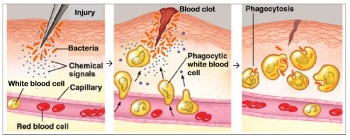
- Homeostasis, Negative Feedback, and Positive Feedback (NGSS)
- How do food molecules reach our muscles? (NGSS)
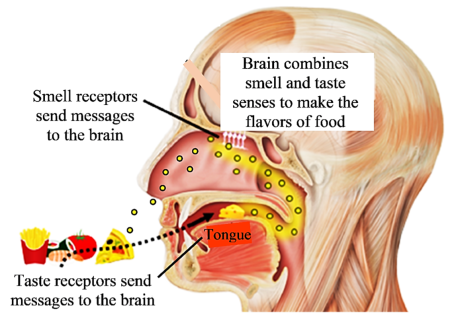
- How do we Sense the Flavors of Food? (NGSS; hands-on)
- COVID-19 Vaccines (NGSS)
- Molecular and Evolutionary Biology of HIV/AIDS and Treatment (NGSS)
- Resources for Teaching Cancer Biology
- Carbohydrate Consumption, Athletics, Health – Using Science Process Skills
- Vitamins and Health – Why Experts Disagree
- Regulation of Human Heart Rate (hands-on)
- Should You Drink Sports Drinks? When? Why?
Subscribe
Subscribe to our listserv to receive notices when we post new activities or significant revisions or when we offer an online professional development.
Creative Commons License
This work is licensed under a Creative Commons Attribution-NonCommercial 4.0 International License. To preserve the value of these learning activities for other teachers, please do not post keys for any questions from any of these activities!

Authors

Remote Ready Biology Learning Activities

Remote Ready Biology Learning Activities has 50 remote-ready activities, which work for either your classroom or remote teaching.
Narrative is determined not by a desire to narrate but by a desire to exchange. (Roland Barthes, S/Z)
What's New? Subscribe to Serendip Studio
A Random Walk
New Topics
-
2 days 1 hour ago
-
2 days 1 hour ago
-
2 days 1 hour ago
-
2 days 1 hour ago
-
5 days 9 min ago
